
Sustainability.
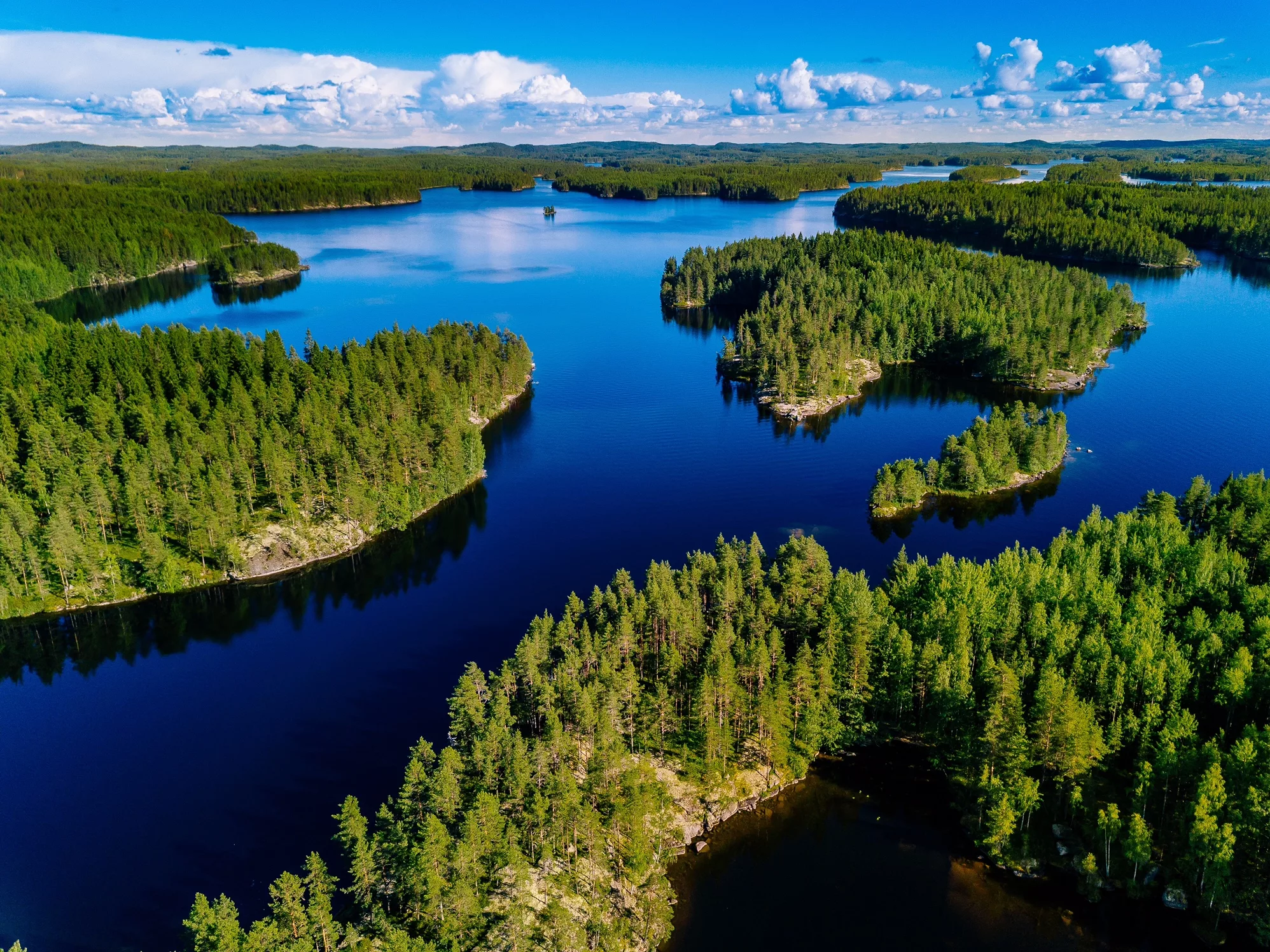
For us, environmental responsibility and sustainability are an integral part of everyday life.
We are not satisfied with wood simply being a sustainable material.
Instead, we take a long-term approach across our entire operations to help contribute to a sustainable society.
Our raw materials come from responsibly managed, certified forests.
We continuously work to reduce our climate footprint, for example by gradually adopting the latest technology and actively influencing our subcontractors.
Certificates.
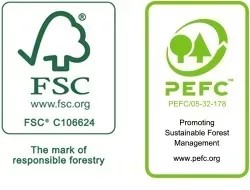
Bitus AB holds two chain of custody certificates in accordance with FSC® C106624 and PEFC.
The Group shall comply with the requirements and intentions of PEFC and FSC, and is responsible for ensuring that raw materials do not originate from illegal logging, key biotopes, forest areas where customary or civil rights are violated, forests with high conservation values that are under threat, genetically modified trees, or natural forests that have been converted for plantation use or non-forest land use, and that no violations of the ILO’s core conventions occur.
The purpose of both standards is to promote sustainable forestry from an environmental, social and economic perspective.
Read more at:
https://fsc.org/en and https://www.pefc.org/
For information about certification and to submit any comments regarding the application of the PEFC and FSC standards, please contact:
Johan Eliasson, Environmental and Sustainability Manager
Tel: +46 10-199 84 86 | Mobile: +46 70-612 15 88
Email: johan.eliasson@bergs.se
The natural cycle.
Our sustainability strategy supports a circular economy.
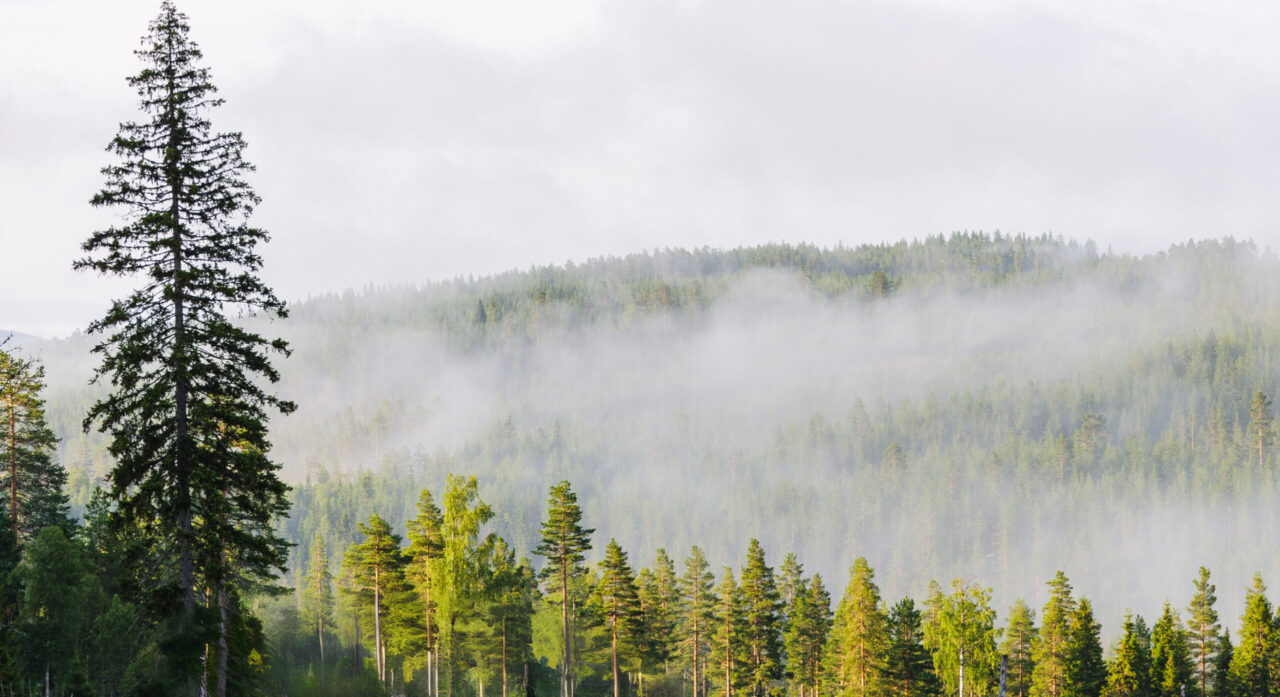
We refine raw materials from sustainably managed forests located close to our local production facilities in the Baltic Sea region. When properly managed, these forests provide a renewable supply of raw material that will never be depleted. New forests are planted, managed and used for products with long life cycles that promote the development of a sustainable society. Any residual by-products are recycled or reused as bioenergy in both solid and liquid form, and after combustion, carbon is stored in the atmosphere to enable new forests to grow.